
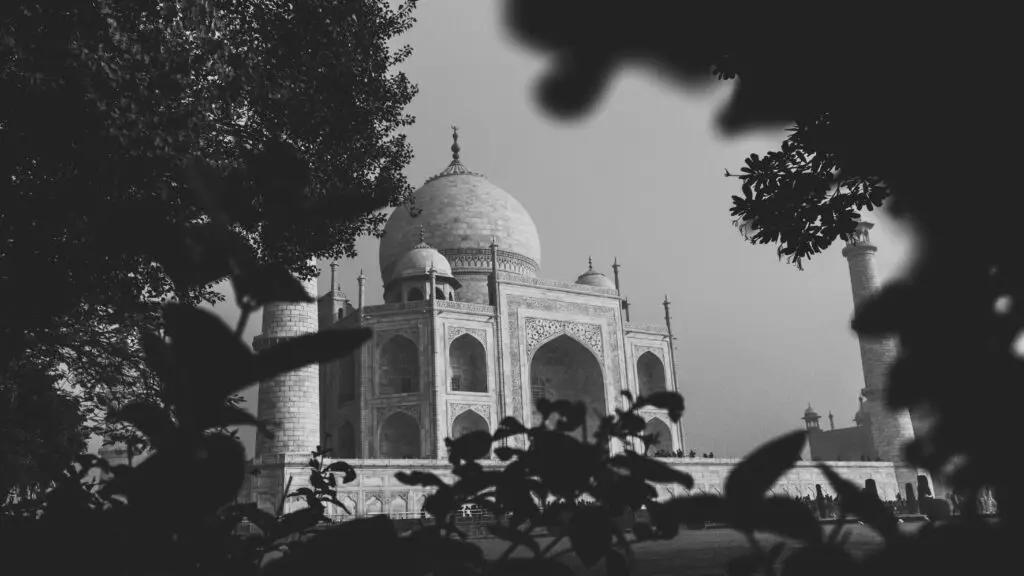
Let me be honest: as a first-time visitor, I was genuinely overwhelmed planning my India travel itinerary. But after my journey, I’ve crafted what I believe is the perfect balance for any newcomer.You have to start in the North. Stepping into Delhi is a sensory explosion—it’s chaotic, crowded, and utterly captivating. The trip to Agra is a must. Nothing prepares you for that first glimpse of the Taj Mahal. My best advice? Splurge on a night at the Oberoi Amarvilas. Waking up to that perfect, unobstructed view from your balcony is worth every penny. The service is exceptional, and the palace-like architecture makes the stay magical.
Then, we had to catch a flight south. As soon as we landed in Tamil Nadu, we could feel the change. I would say Nagercoil was a peaceful place, with no sound pollution like in Delhi. We spent three days there for a friend’s wedding and got to see traditional Tamil customs for the first time. While it was interesting, we noticed there wasn’t much to explore—mostly just temples. But the air was really clean, which made everything feel fresh and nice.
Part 1: Essential Pre-Travel Planning for Your India Travel Itinerary
Before your travel itinerary begins, proper planning ensures a smooth journey. Here are the essential details you need to know.
- Currency: The Indian Rupee (INR) is the official currency. While credit and debit cards are widely accepted in hotels and larger restaurants in cities, you will need cash for local markets.
- Time Zone: Indian Standard Time (IST), which is UTC +5:30.
- Best Time to Visit: October to March offers ideal weather for this itinerary – pleasant, cool days in the North and comfortable, lush conditions in the South.
- Places to Exchange Money: Avoid exchanging large sums at the airport, as rates are typically poor.
- Authorized Money Changers: Instead, look for licensed bureaus de change in major cities like Delhi. Always check the rate and commission before proceeding.
- Banks: Major banks like State Bank of India (SBI) or HDFC Bank are also reliable options.
- ATMs: Widely available for convenience. Notify your bank before traveling to prevent card blocks.
- Travel Apps to Download: Your smartphone will be your best travel companion. Specifically, make sure to have these apps ready:
- Uber, Ola, or Sahkar: These ride-hailing apps are essential in Delhi and Agra, offering auto-rickshaw and car options with transparent, meter-free pricing.
- Google Maps / Maps.me: Indispensable for navigation and locating restaurants and attractions.
- IRCTC: The official app for booking Indian Railways tickets, a must if you plan to travel by train or try “Make my trip“
- PayTM/PhonePe: Digital wallet apps that are hugely popular for everything from paying a street vendor to topping up your mobile phone.
- Popular food review and delivery apps: The primary and most popular food review and delivery apps in India are Zomato and Swiggy.
Part 2: Northern India Travel Itinerary - History and Majesty
Delhi: Capital of Contrasts
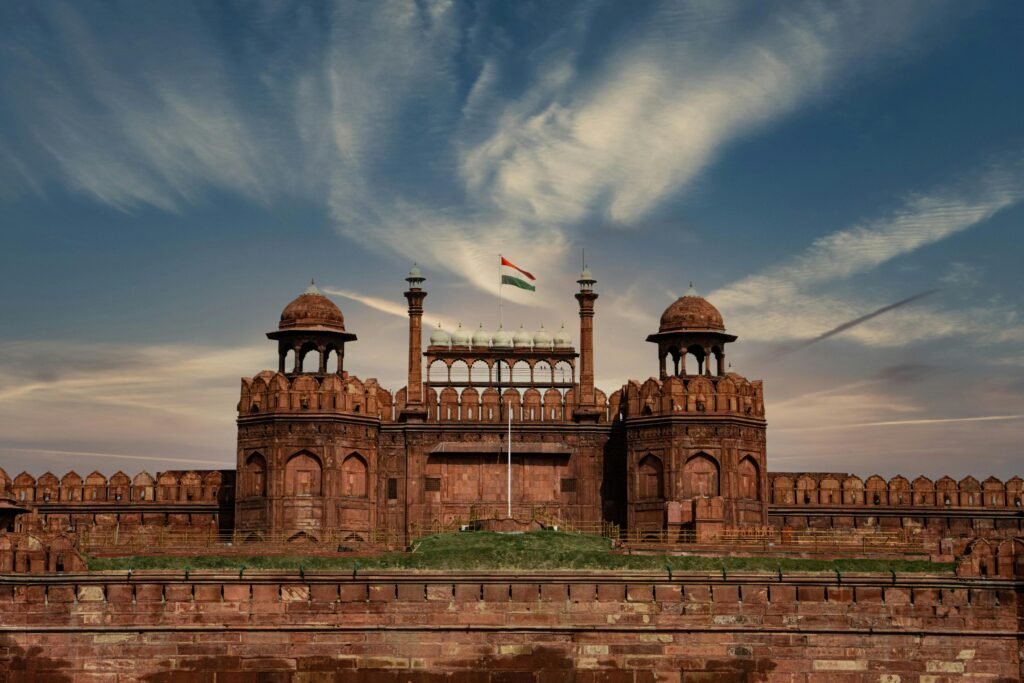
Old Delhi: Dive into the beautiful chaos of Chandni Chowk’s winding lanes. You can explore the majestic Jama Masjid, wander through the historic Red Fort, and cap it all off with a classic—and wonderfully chaotic—cycle rickshaw ride.
There are also plenty of markets where you can purchase sarees and lehengas, such as Sarojini Nagar and Janpath.
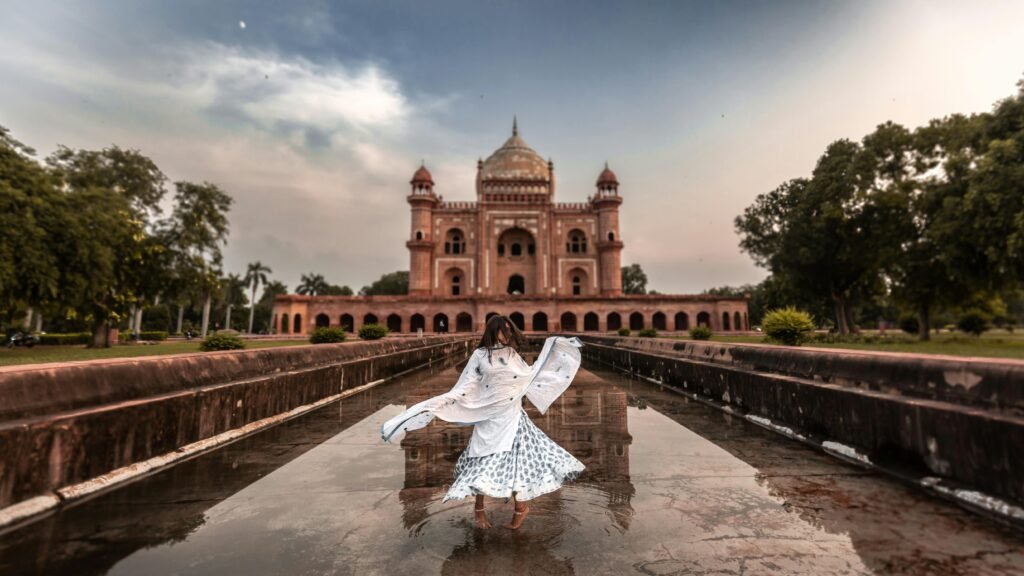
New Delhi: See the grand Rajpath, India Gate, and Presidential Palace. Discover architectural marvels like Humayun’s Tomb and the towering Qutub Minar.
Agra: City of Love
Taj Mahal at Sunrise: No Indian travel itinerary is complete without witnessing this white marble masterpiece glow at dawn.
If you want to avoid the crowds, go around 6 AM (the Taj opens 30 minutes before sunrise). If possible, try to get some marble souvenirs, as they are only available in Agra. Always remember to negotiate with the vendors.
Agra Fort: Explore this red sandstone fortress, the former Mughal capital, offering breathtaking views of the Taj Mahal from its walls.
Part 3: The Southern Leg – Spirituality, Serenity, and Spices
Note: If you’re not interested in visiting Nagercoil, feel free to opt out; we only went there because we had to attend a wedding. There isn’t much to see—mostly just temples. However, if you love a calm vibe, it might be worth your time.
You will fly into Thiruvananthapuram International Airport (TRV), which is the nearest major airport to Nagercoil (about 60-90 minutes by road).
Nagercoil & Tamil Nadu’s Deep South
Nagercoil is the gateway to some of Tamil Nadu’s most sacred and scenic sites. This part of your South India travel itinerary is about slowing down and absorbing the spiritual and natural beauty. If you want to shop for traditional clothing, head to Pothey’s, and for quality in-house shoes, check out Metro Shoes.
Visit the Thanumalayan Temple (Sthanumalayan Kovil) in Suchindram: A short drive from Nagercoil, this temple is an architectural marvel dedicated to a unique trinity of Shiva, Vishnu, and Brahma. Look for the massive, 18-foot-tall Hanuman statue and the musical pillars that produce different notes when tapped. The intricate stone carvings are breathtaking.
Kanyakumari (Cape Comorin): This is a must-do. Kanyakumari is the southernmost tip of mainland India, where the Arabian Sea, the Bay of Bengal, and the Indian Ocean converge. The sunset and sunrise views here are legendary. Visit the Vivekananda Rock Memorial, reached by a short ferry ride, and the towering Thiruvalluvar Statue. The spiritual energy of this place is palpable.
Note: Be aware that there are a lot of beggars, and some may try to be annoying. You’ll also encounter many small children. Just ignore them or politely say you have no money.
Part 4: The Culinary Journey – A Food Lover’s Guide
A South India, North India travel itinerary is as much a culinary pilgrimage as a visual one.
- North Indian Delights: In Delhi and Agra, indulge in rich, aromatic dishes. Must-tries include:
- Butter Chicken & Naan: A creamy, tomato-based curry with tender chicken, paired with fluffy, leavened bread.
- Chole Bhature: A classic Delhi street food of spicy chickpeas with deep-fried, fluffy bread.
- Mughlai Cuisine: In Agra, try rich, meat-based dishes like biryani and kebabs that reflect its royal history.
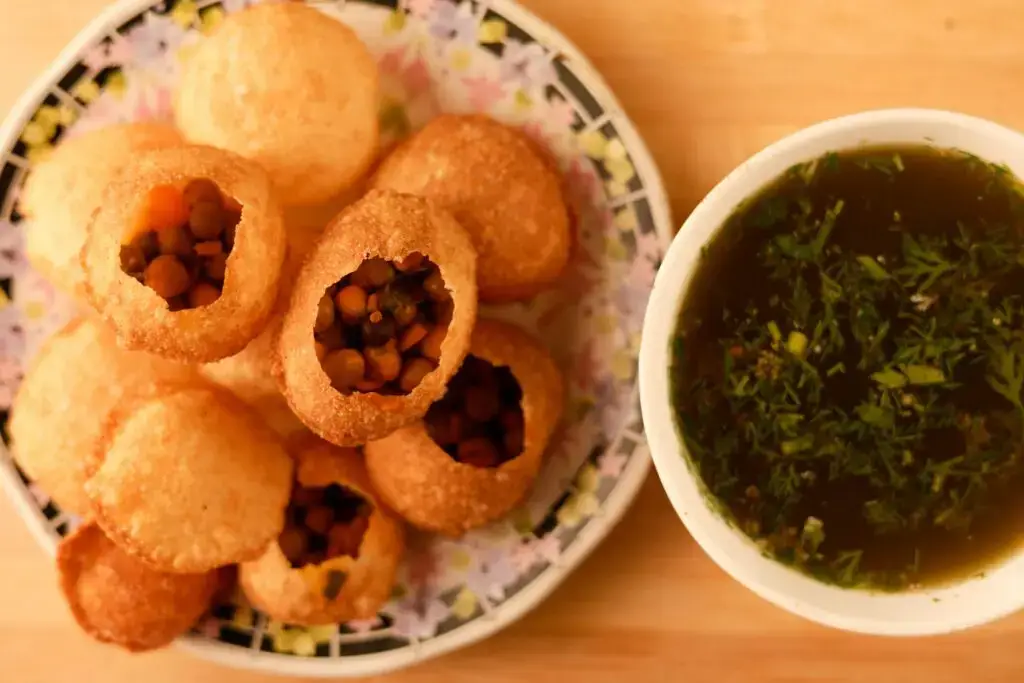
- Street Food Tour: In Old Delhi, embark on a food walk to sample samosas, jalebi, and chaat.
- South Indian Feast: The food in Nagercoil is typical of Tamil Nadu but with its own local flair.
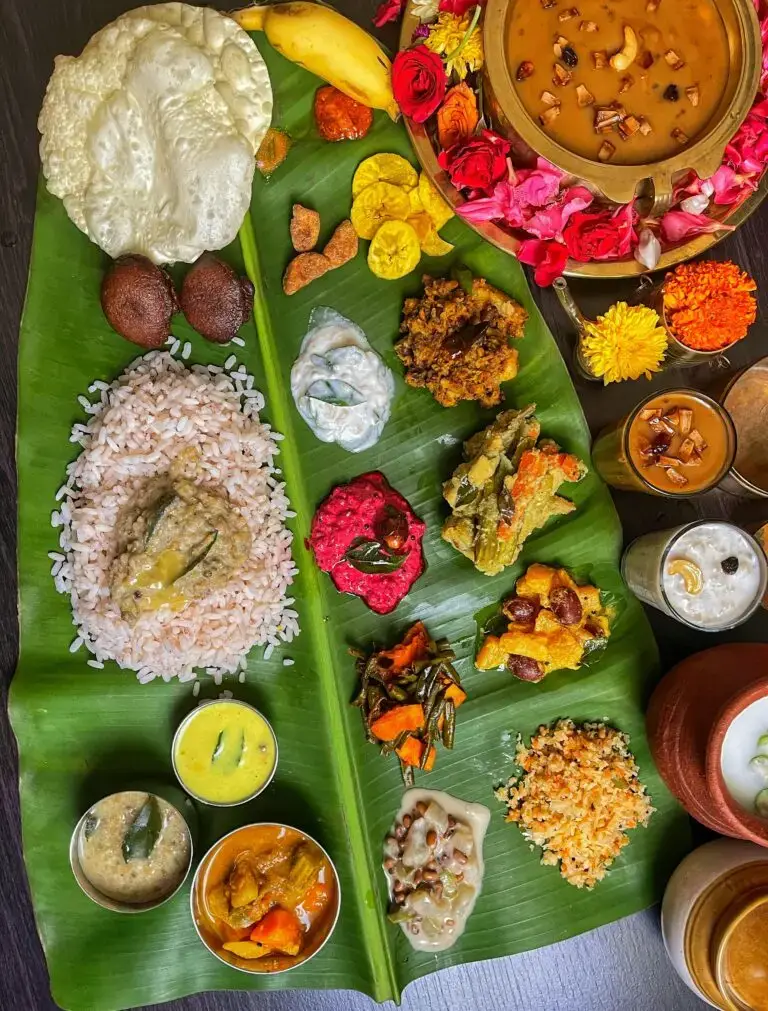
- Authentic Meals: Seek out a traditional “meals” restaurant where you get a large banana leaf served with an array of vegetable curries, sambar, rasam, curd, and pickles, with unlimited rice.
- Seafood: Being a coastal region, fresh fish curry is a staple.
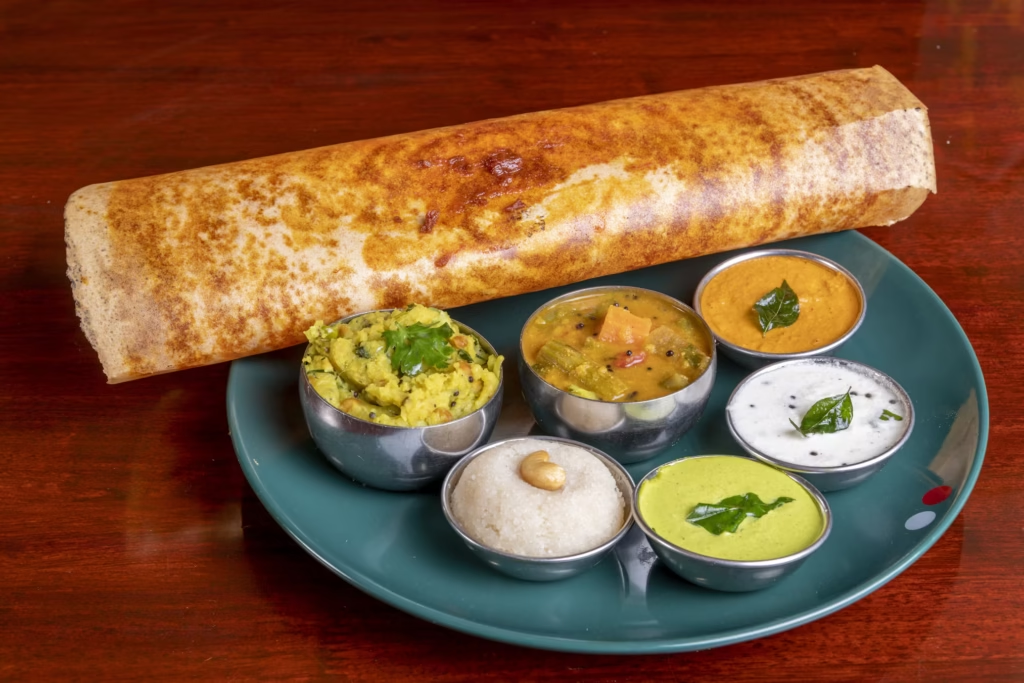
- Dosas & Idlis: Enjoy these fermented rice and lentil crepes and steamed cakes for breakfast with coconut chutney and sambar.
- Kerala Influence: Given the proximity to Kerala, you’ll also find appam (lacey hopper pancakes) with stew on menus.
Restaurants I would recommend in Agra: Mama Chicken and Pinch of Spice (Authentic place).
Restaurants I would recommend in Delhi: Oberoi Bellevue (I love nasi goreng), Baba’s Restaurant (they have a unique butter chicken), Magnolia Bakery (classic banana pudding- it was too sweet for Tres Leches and me – I loved it, Blue Tokai Coffee Roasters, and Chili’s Restaurant.
Final Thoughts on India Travel Itinerary
After completing this journey, traveling in South India and North India is more than just checking off landmarks; it’s an immersion into the soul of a subcontinent. You’ll carry the memory of the Taj Mahal’s majesty, the vibrant chaos of Delhi, the profound peace of the South, and the explosive flavors of both regional cuisines.
Just always remember that there is good and bad in any country; you just have to be prepared. Exercise caution when traveling at night, as air pollution in Delhi and Agra worsens during that time. It’s a good idea to wear N95 masks or have them on hand when you travel. Use Uber whenever possible, and try to stay in good hotels to ensure the best comfort. Always drink bottled water, check the ratings and reviews of restaurants, and make sure to have cash on hand.
Your South & North India Travel Q&A
Q: What is the best way to travel between Delhi and Agra?
A: Uber: If you value comfort and privacy, this is a great option. I recommend taking an Uber for a smooth journey; it’s almost 4-5 hours.
Trains: Consider this if you don’t mind handling the hassle and want a more local experience. It’s almost 3-4 hours.
Q: Which airport do I use for South India?
A: Fly into Thiruvananthapuram (TRV). It is located about 1.5 hours by road from Nagercoil.
Q: What power plugs and voltage are used?
A: India uses Type D and M plugs at 230V. A universal travel adapter is recommended.
Q: Is tap water safe to drink?
A: No. Stick to sealed bottled or filtered water and avoid ice from street vendors.
Q: What is the dress code for temples?
A: A Modest dress is mandatory. Cover your shoulders and knees and be prepared to remove your footwear.
Q: What is the emergency number?
A: Dial 112 for all emergencies. You can also call 100 for the police.
Q: Do I need a visa?
A: Yes, most foreign nationals require a visa, conveniently obtained through the e-Visa system.
Q: How should I handle currency?
A: Use ATMs or authorized city exchange bureaus. Avoid exchanging large amounts at the airport.
Q: Can I use Uber everywhere?
A: Uber and Ola are available in major cities but are limited in smaller towns, where auto-rickshaws are common.
Q: What if I get traveler’s diarrhea?
A: Rehydrate with ORS, available at pharmacies. Medication like Loperamide can help. Eat bland food and see a doctor if symptoms are severe or include a fever.
Q: What makes this North & South itinerary special?
A: It offers a profound contrast between the Mughal history of the North and the ancient Dravidian temple culture of the South.


Pingback: Thailand Trip: Krabi, Bangkok & Pattaya - Life With Pinky